- PRGF - ENDORET®
- Medical specialties
- BTI APNIA®
- Diagnosis
- Treatment


Horizontal and vertical bone atrophy represent one of the main challenges in implantology, often requiring bone augmentation procedures that increase surgical complexity, morbidity and treatment times.BTI solutions enable certain cases of bone resorption to be managed using less invasive procedures that make use of the residual bone volume and facilitate more efficient functional and aesthetic restoration.
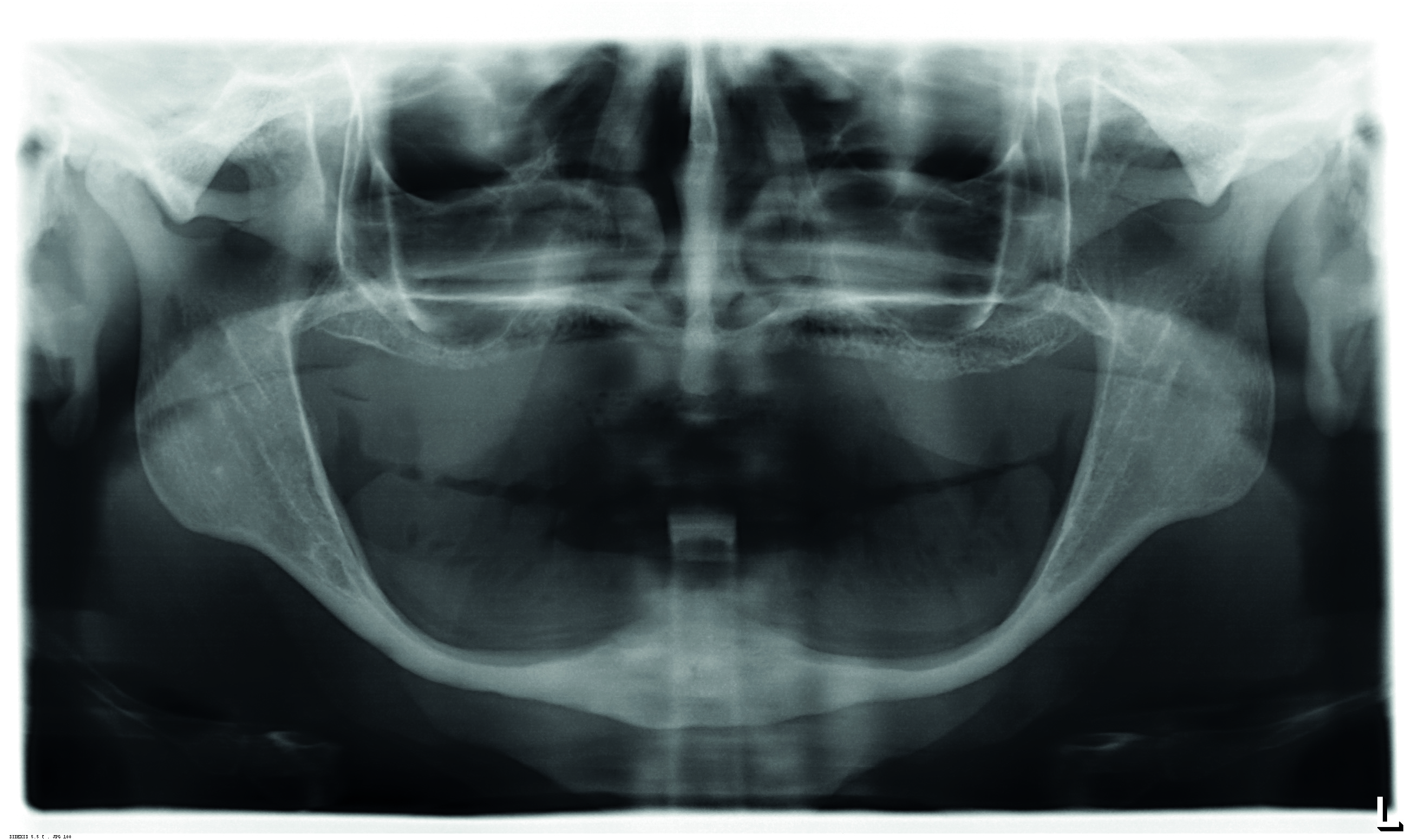
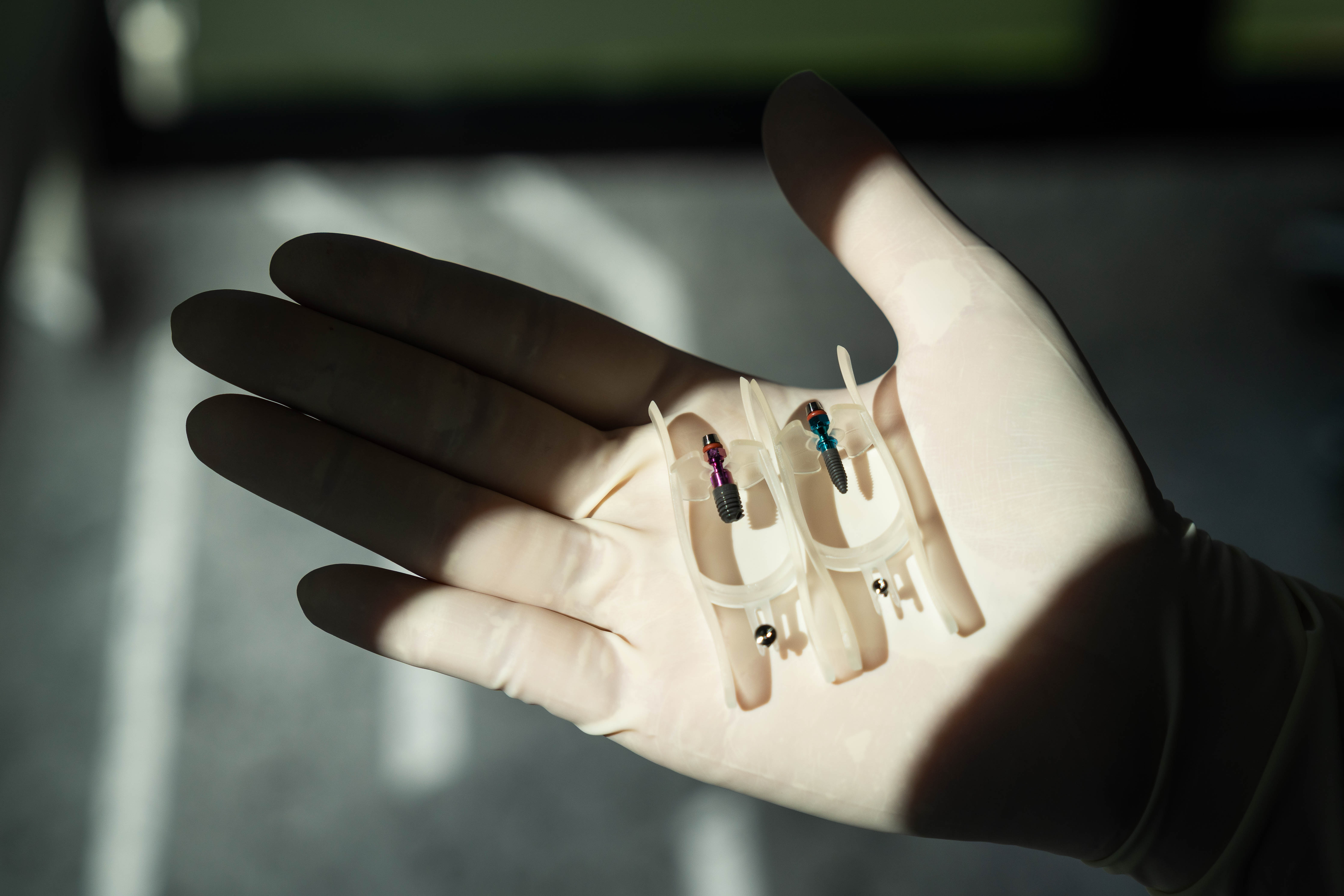
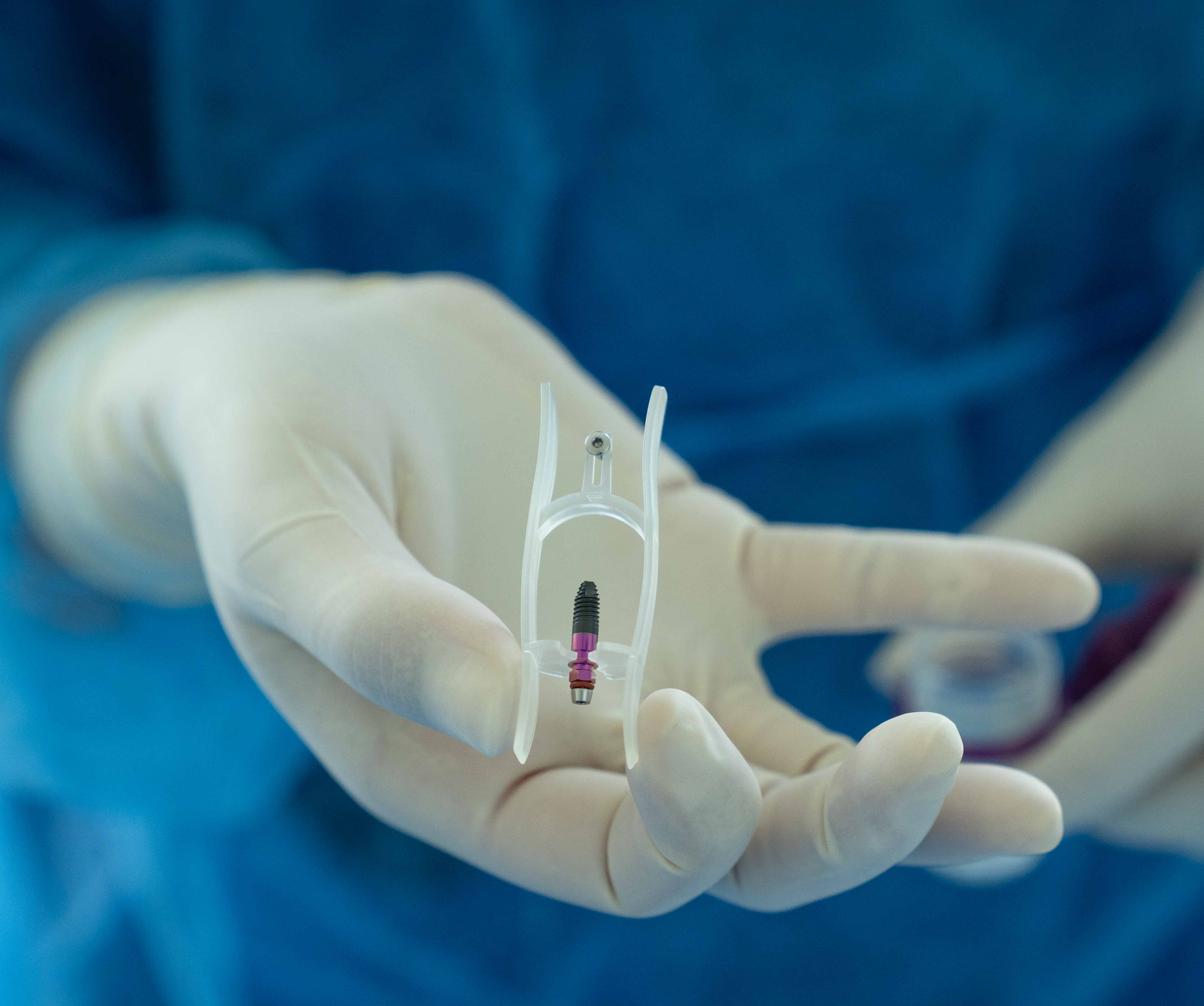
Narrow, short and extra-short implants make it possible to take advantage of the residual bone volume and, in selected cases, avoid complex bone regeneration or augmentation procedures. This more conservative approach may reduce surgical morbidity and simplify treatment.
Avoiding additional reconstructive procedures can simplify the surgical and prosthetic sequence, reduce the number of interventions and shorten the time to definitive restoration, provided the clinical conditions allow.
Less invasive alternatives involving fewer interventions and potentially shorter treatment times and lower associated costs may facilitate treatment acceptance. These solutions expand the therapeutic options and allow the approach to be tailored to each patient’s clinical and personal needs.
Plana, tetralobulada y sin aristas, compatible con gama BTI-CORE®.
Fresado simplificado, usando fresas más estrechas y logrando buena estabilidad.
Texto de ejemplo
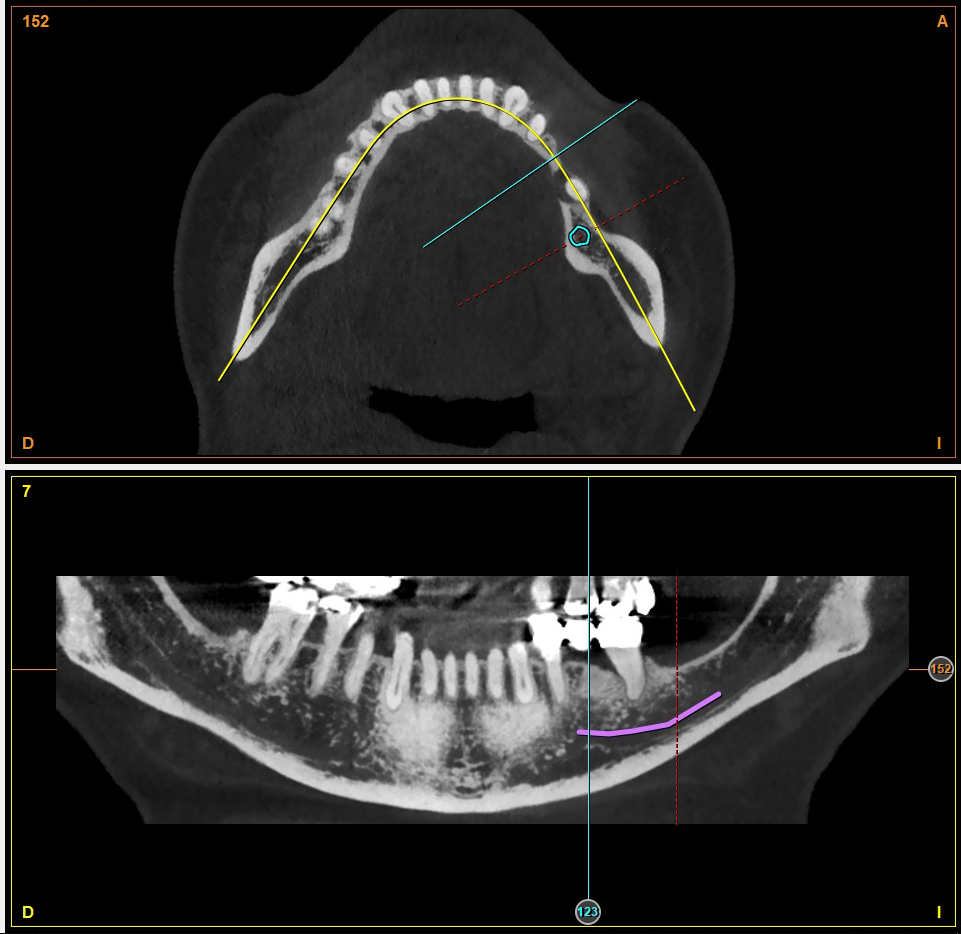
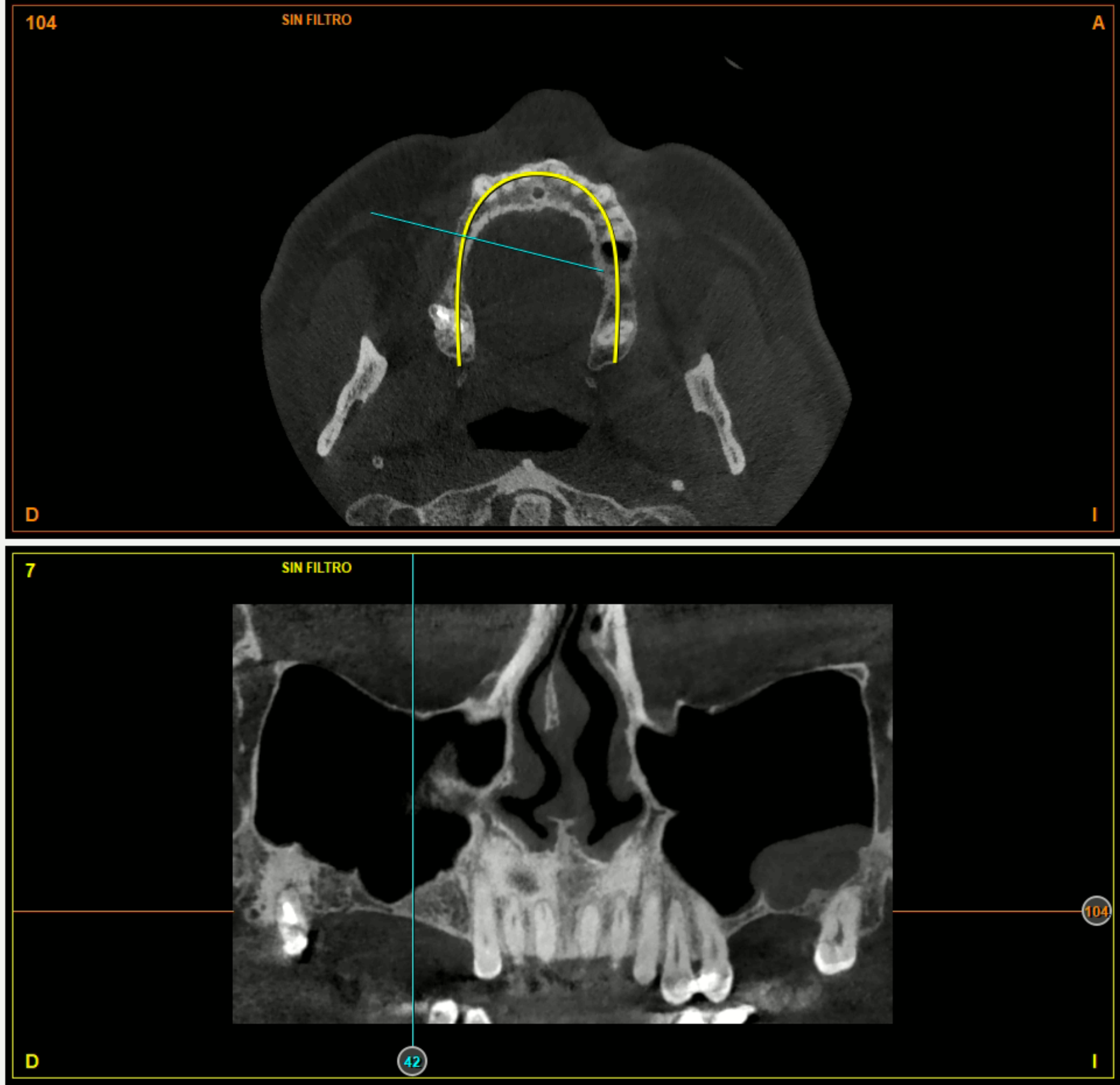
Horizontal atrophy of the alveolar ridge presents a challenge for implant planning, particularly when the residual bone width compromises implant placement, primary stability or the maintenance of adequate peri-implant bone thickness.
The BTI range of narrow implants, with different body diameters and reduced prosthetic platforms, broadens the restoration options for patients with partial or complete edentulism, making the most of the available bone volume and avoiding prior bone augmentation procedures in some cases.
In cases of greater anatomical compromise, combining ridge expansion techniques with bone regeneration using PRGF-ENDORET® offers therapeutic alternatives to optimise the receiving implant site and reduce the need for more complex reconstructions.
BTI solutions for horizontal atrophy
The 2.5 and 3.0 platforms offer different options for restoring narrow alveolar ridges, allowing the implant to be selected according to bone availability, biomechanical demands and the prosthetic requirements of each case.Where the residual width necessitates ridge expansion, the KEXCO expander system allows progressive, controlled preparation of the implant bed. This approach can be complemented by regeneration techniques using particulate autologous bone and PRGF-ENDORET® formulations, including fibrin membranes, to promote tissue healing and regeneration.
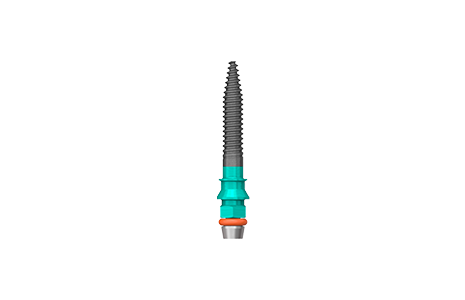
Implants with a 2.5 mm body diameter and prosthetic connection, specifically designed for the restoration of extremely narrow alveolar ridges. Their geometry enables the management of severe horizontal atrophy, making the most of the residual bone volume and reducing the need for additional reconstructive procedures when clinical conditions allow.
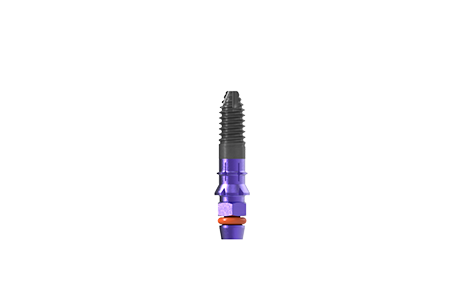
A range of reduced-diameter implants designed for partial and complete restorations in patients with horizontal bone atrophy. The range of sizes allows implant selection to be tailored to the anatomy of the alveolar ridge and biomechanical and prosthetic requirements, avoiding bone augmentation procedures when sufficient residual volume is available.
Vertical atrophy of the alveolar ridge represents one of the main challenges in implant restoration, particularly when residual bone height is limited by the proximity of anatomical structures such as the maxillary sinus or mandibular canal.
BTI short and extra-short implants expand the therapeutic options in cases of limited vertical bone availability, making use of the residual bone and offering, in selected cases, an alternative to vertical bone augmentation procedures or maxillary sinus elevation. This approach may reduce surgical complexity, morbidity and treatment times, while maintaining primary stability and sound biomechanical and prosthetic planning as fundamental criteria.
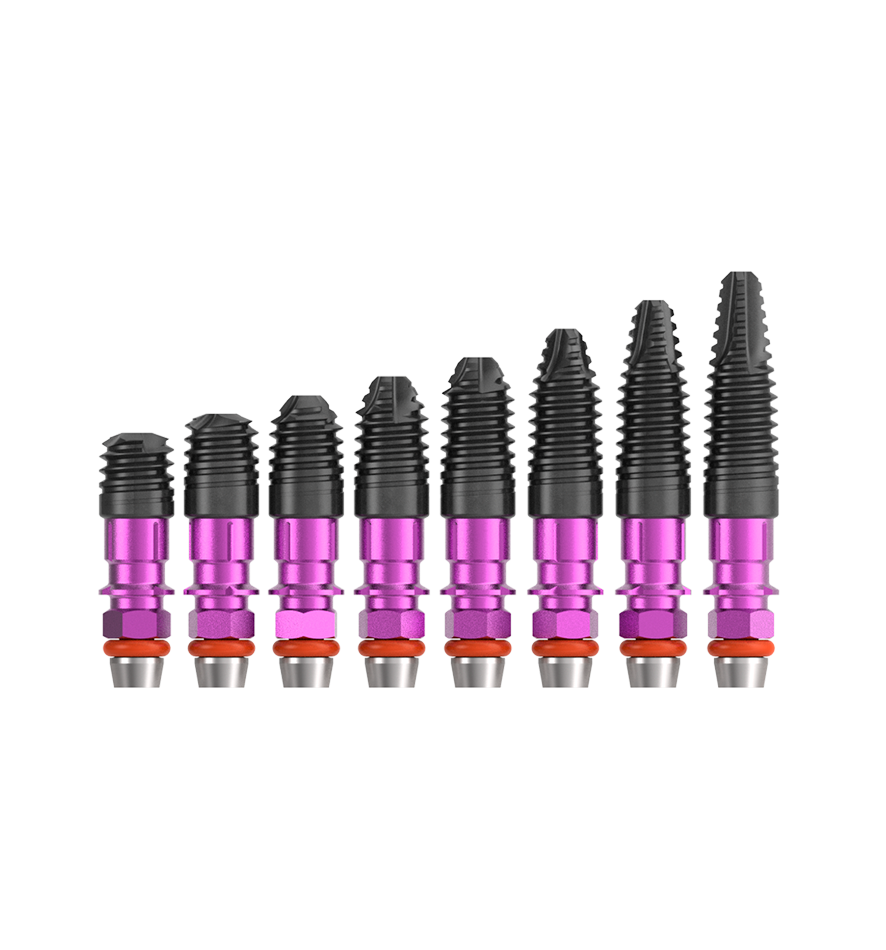
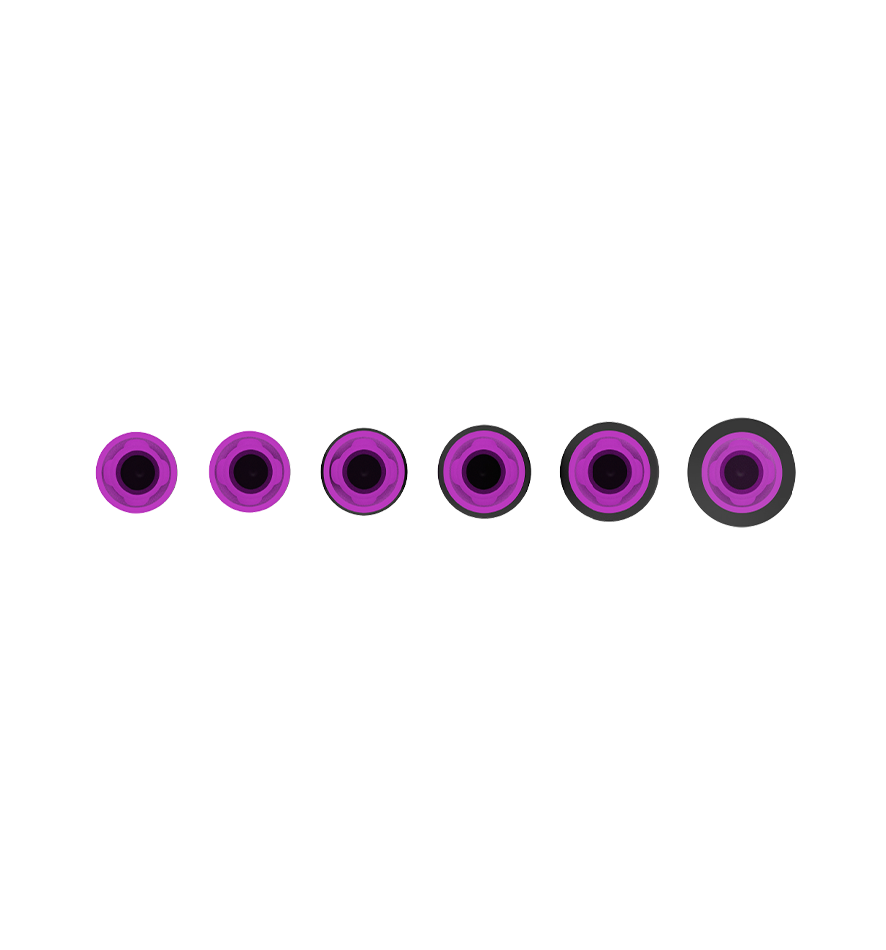
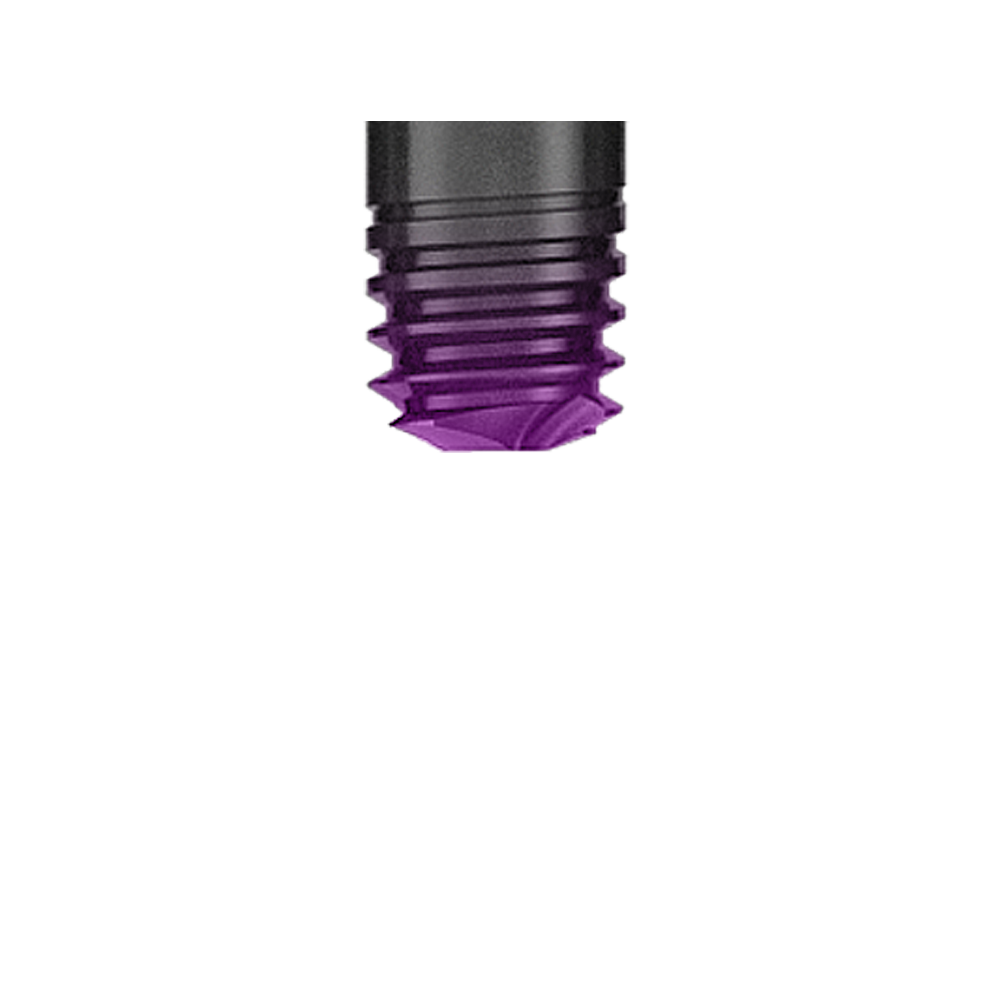

BTI offers drills specifically designed for preparing the sites for short and extra-short implants, allowing greater control over drilling depth and instrumentation adapted to implant dimensions.
This design helps improve procedural accuracy and reduce the risk of injury to nearby anatomical structures, particularly where bone height is limited.
Scientific evidence
Scientific evidence supports the use of short, extra-short and reduced-diameter implants as therapeutic alternatives for patients with limited bone availability. In selected indications, these implants have high survival rates and favourable clinical outcomes, comparable in some cases to those achieved with conventionally sized implants and bone augmentation procedures.
Their use in single and multiple restorations expands treatment options in cases of horizontal and vertical atrophy. Appropriate case selection, together with three-dimensional planning, optimisation of primary stability and control of biomechanical loading, makes it possible to use the residual bone volume and reduce the need for more invasive reconstructive procedures in many patients.


¡Gracias!
